
Transform How Your Distributed Team Connects, Collaborates, and Succeeds
Newark, United States - November 28, 2025 / Phone.com /
The remote work revolution has permanently changed how businesses communicate, with cloud phone systems emerging as the backbone of successful distributed teams.
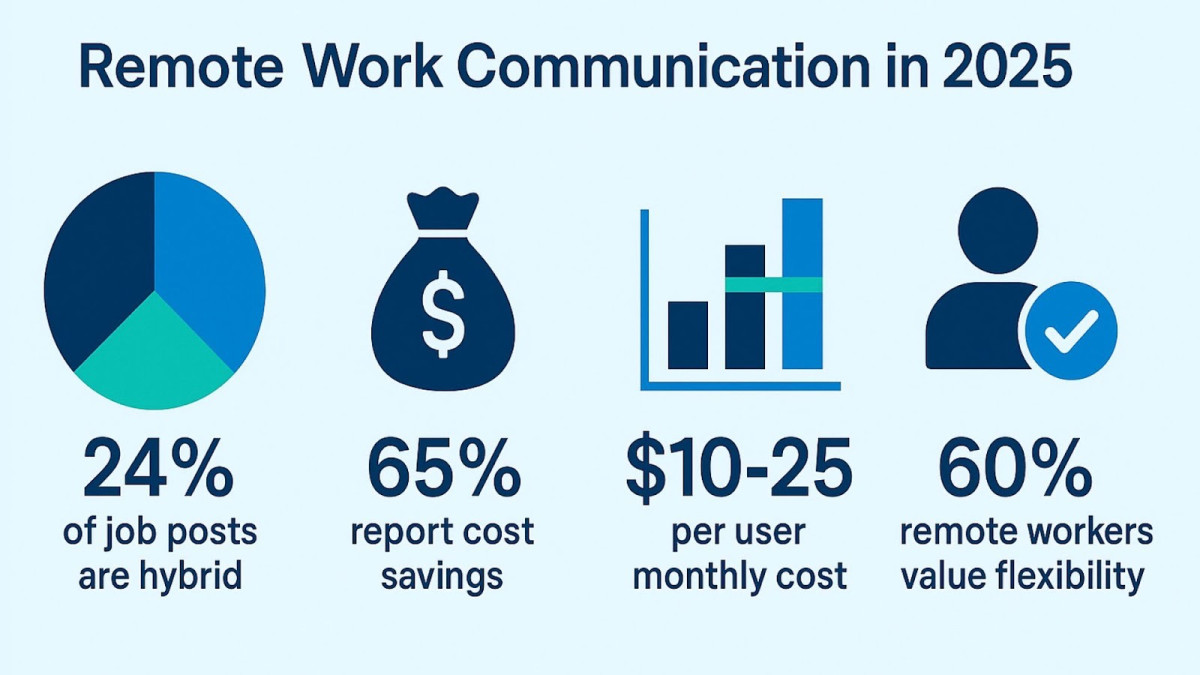
Hybrid work models now make up 24% of all new job postings in Q2 2025.
Cloud-based solutions cost as little as $10 to $25 per user per month.
Industry reports reveal that the majority of employees favor hybrid work environments due to their flexibility.
Businesses must invest in scalable, mobile-first communication solutions to remain competitive and attract top talent.
The workplace transformation of the past few years is stabilizing into the norm. Remote and hybrid work arrangements have become permanent fixtures across many industries. For organizations still relying on traditional phone systems, this shift presents both a challenge and an opportunity to revolutionize their communication infrastructure.
What separates thriving remote teams from struggling ones often comes down to their communication technology. While email and messaging apps handle much of our daily interaction, voice communication remains the cornerstone of productive business relationships. This is where a cloud phone system for remote teams becomes essential.
What Are the Remote Work Trends in 2025?
The numbers tell an undeniable story about how work has evolved. Hybrid job postings have jumped in the past two years from 15% to 24% of all new positions in Q2 2025. Meanwhile, fully in-office job requirements continue to decline.
Gallup research reveals that 60% of remote-capable employees now prefer hybrid work arrangements, while fully remote workers are extremely likely to seek new employment if their flexibility is removed. For business leaders, these statistics highlight the reality that communication infrastructure must evolve to support distributed teams.
The financial implications are equally compelling. Organizations embracing remote work report appealing cost reductions, with 65% of employers citing hybrid work models as a direct driver of reduced operational expenses. However, these savings only materialize when businesses invest in the right technology foundation.
Why a Cloud Phone System for Remote Teams Is Non-Negotiable
Traditional phone systems were designed for a different era, where employees worked from fixed locations with predictable schedules. Today's workforce demands flexibility that legacy systems can't provide. A cloud phone system for remote teams delivers enterprise-grade communication capabilities through internet connectivity rather than physical infrastructure.
The main advantage lies in accessibility. Unlike traditional PBX systems that tie communication to specific locations, cloud-based solutions enable seamless connectivity from anywhere with internet access. Team members can maintain consistent professional communication whether they're working from home, traveling, or splitting time between multiple locations.
Security concerns that once made businesses hesitant about cloud adoption have largely been addressed through advanced encryption protocols and compliance certifications. Modern cloud communication platforms often exceed the security standards of on-premise systems, while providing the added benefit of automatic security updates and monitoring.
What Are the Core Benefits of Remote Team Communication Solutions?
Effective remote team communication requires integrated solutions that reduce costs, enhance security, and scale effortlessly with changing business needs. Let's explore how cloud-based communication platforms deliver these critical advantages while supporting the productivity and collaboration that remote teams depend on.
Cost Savings That Actually Matter
The financial benefits of transitioning to cloud-based communication extend beyond the obvious elimination of hardware costs. Cloud-based solutions can cost as little as $10 to $25 per user per month, while eliminating the toll charges associated with traditional telephone service. These savings come from multiple sources: eliminated maintenance contracts, reduced IT overhead, and the ability to scale services precisely to actual usage rather than estimated capacity.
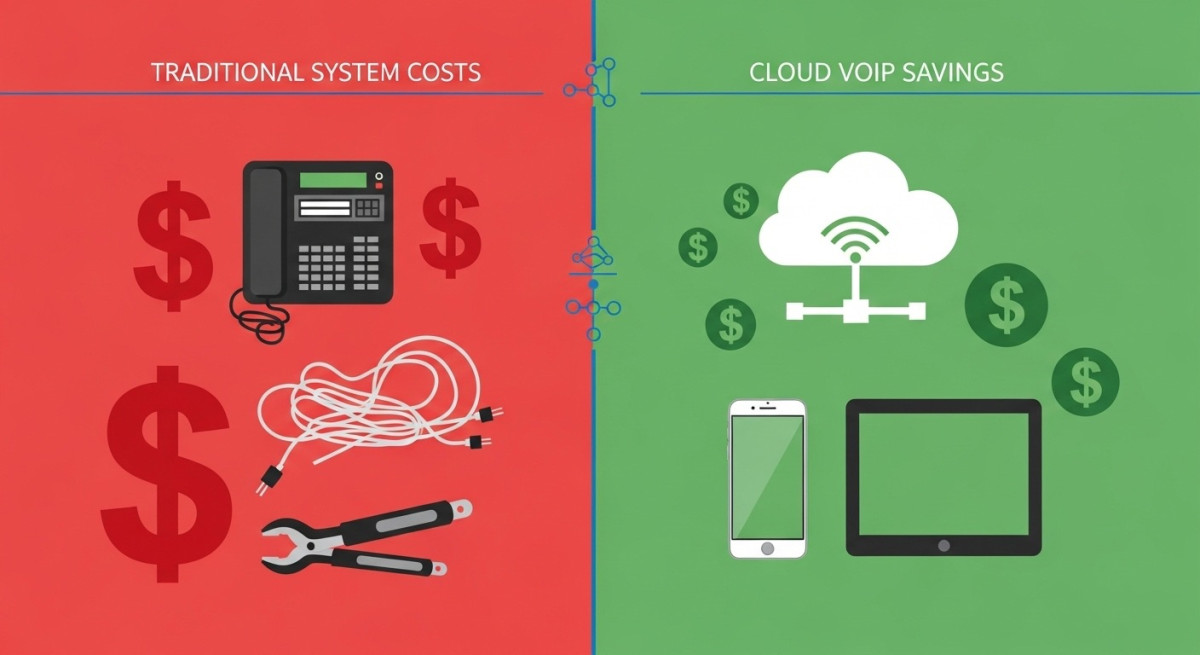
Consider the hidden costs of traditional systems: on-site technical support, regular hardware upgrades, and the complexity of adding new users or locations. Cloud solutions eliminate these expenses while providing more advanced features than most legacy systems could support.
Scalability Without the IT Headaches
Remote work has made business scalability more complex and more important than ever. Teams may need to expand quickly for new projects, accommodate seasonal fluctuations, or adapt to changing market conditions. Cloud VoIP systems handle these changes through simple administrative adjustments rather than hardware installations or complex reconfigurations.
This scalability proves especially valuable for startups and growing businesses. Adding new team members requires only account setup rather than equipment procurement and installation. Similarly, reducing capacity during slower periods doesn't leave businesses paying for unused infrastructure.
Enhanced Security and Compliance
Modern cloud communication platforms prioritize security through multiple layers of protection. Enterprise-grade encryption, secure access controls, and compliance with regulations like HIPAA ensure that sensitive business communications remain protected. Many cloud providers also offer detailed audit trails and monitoring capabilities that exceed what most businesses could implement independently.
For industries with strict compliance requirements, cloud solutions often provide better regulatory adherence than on-premise alternatives, with providers maintaining certifications and implementing security updates as standard practice.
5 Ways Cloud VoIP Transforms Remote Team Productivity
The productivity gains from cloud VoIP reshape how remote teams operate. By eliminating traditional constraints and introducing intelligent features, cloud-based phone systems create new opportunities for efficiency and collaboration. Here are five specific ways these platforms transform daily productivity for distributed teams.
1. Mobile-First Accessibility Keeps Everyone Connected
Cloud VoIP systems recognize that modern work happens across multiple devices. Team members can seamlessly transition between desktop applications, mobile apps, and web interfaces while maintaining the same professional phone number and access to all communication features. Device flexibility eliminates the communication gaps that often plague remote teams.
2. Advanced Call Management Improves Customer Experience
Features like intelligent call routing, auto-attendants, and voicemail-to-email transcription ensure that customer inquiries receive prompt, professional responses regardless of where team members are located. These capabilities help remote businesses maintain the responsiveness that customers expect.
3. Integration Capabilities Streamline Workflows
Modern remote work phone solutions integrate with popular business tools like CRM systems, project management platforms, and collaboration software. These integrations reduce the context switching that can diminish productivity and help teams maintain comprehensive records of customer interactions.
4. Analytics and Reporting Drive Continuous Improvement
Cloud communication platforms provide detailed insights into call patterns, team performance, and customer satisfaction metrics. This data helps managers optimize remote team performance and identify opportunities for process improvements that might not be apparent in traditional office settings.
5. Unified Communication Reduces Tool Sprawl
Rather than managing separate systems for voice calls, video meetings, messaging, and file sharing, unified communication platforms consolidate these functions into cohesive experiences. This consolidation reduces training requirements and improves team coordination across different channels.
How to Make the Switch
Transitioning to a cloud-based system doesn't require extensive downtime or complex migrations. Most providers offer seamless number porting, allowing businesses to maintain existing phone numbers while gaining cloud capabilities. The process typically involves account setup, user configuration, and brief training sessions rather than hardware installation and network reconfiguration.
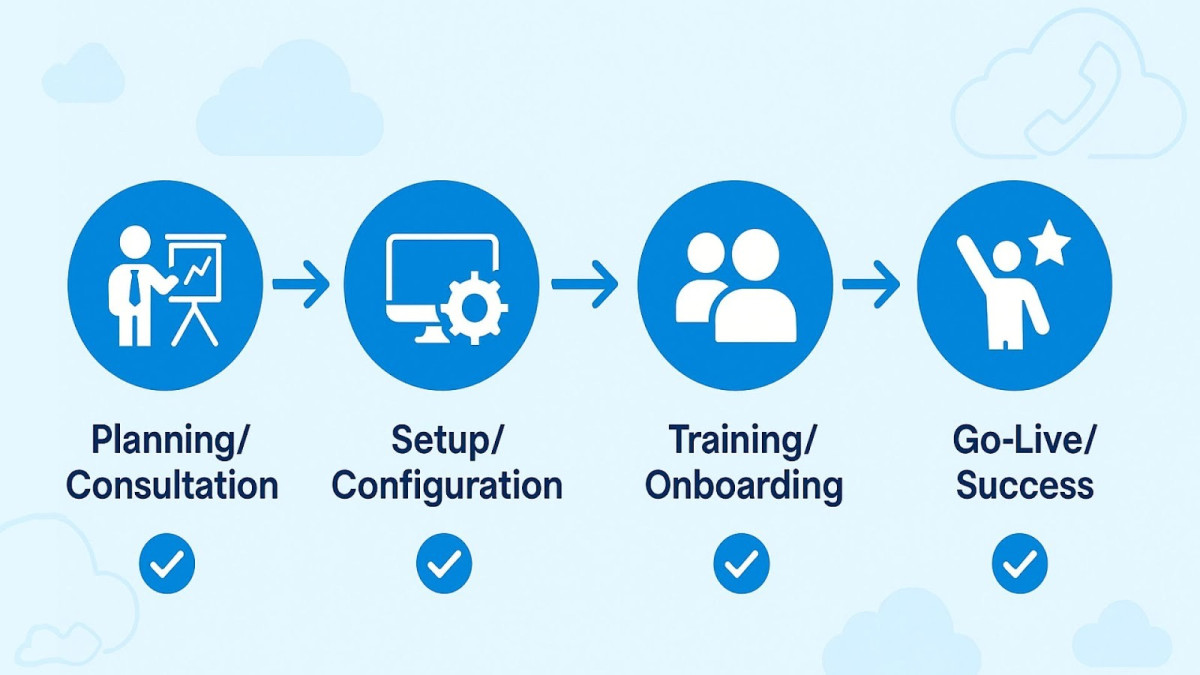
For businesses concerned about disruption, many cloud providers offer parallel operation periods where new and old systems run simultaneously, allowing for gradual transitions and thorough testing before full cutover. The U.S. cloud communication market now exceeds $4.8 billion per quarter, demonstrating the widespread adoption and reliability of these solutions.
The key to success lies in choosing a provider that offers comprehensive support throughout the transition. Look for providers that include training resources, dedicated support teams, and clear migration timelines.
Frequently Asked Questions
Q: How quickly can a business implement a cloud phone system for remote teams? A: Most cloud phone implementations can be completed within one to two weeks, including number porting and user training. The exact timeline depends on the complexity of your current setup and the number of users being migrated.
Q: What are the main cost advantages of switching to a cloud phone system? A: Cloud phone systems eliminate traditional toll charges, maintenance contracts, and hardware upgrade costs. Many solutions provide enterprise-grade features at small-business price points.
Q: Can cloud phone systems integrate with existing business tools? A: Yes, modern cloud communication platforms offer extensive integration capabilities with popular CRM systems, project management tools, and collaboration software. These integrations help streamline workflows and improve team productivity.
Q: How do cloud phone systems compare to traditional systems in terms of call quality? A: With adequate internet connectivity, cloud VoIP systems typically deliver superior call quality compared to traditional phone lines, thanks to advanced audio codecs and digital signal processing technologies.
Support Your Remote Team Communication
The shift toward remote and hybrid work is becoming the standard expectation for modern businesses. With the global cloud communication platform market expected to reach $95.78 billion by 2032, organizations that recognize this trend and invest in appropriate communication infrastructure position themselves for sustained success.
A cloud phone system for remote teams is an investment in business continuity, employee satisfaction, and operational efficiency. The combination of cost savings, enhanced features, and improved scalability makes cloud communication platforms essential tools for remote operations. Phone.com offers flexible, feature-rich solutions designed specifically to scale with today's distributed workforce.

Contact Information:
Phone.com
625 Broad Street
Newark, NJ 07102
United States
Amber Newman
https://www.phone.com/


